How to Block Crochet Projects
Blocking is the finishing step that helps crochet pieces relax into their intended shape. It can straighten edges, open lace, even out motifs, and make a handmade project look more polished. Blocking is not a substitute for correct stitch counts, but it is excellent for refining a piece after the stitching is complete.
Before You Begin
Check the yarn label. Cotton and wool usually respond well to moisture. Acrylic responds more to steam, but too much heat can permanently flatten or damage the fibers. When unsure, test on a small swatch first.
Wet Blocking
Soak the crochet piece in cool water for about 15 minutes. Lift it gently and press out excess water with a towel. Do not twist or wring the fabric. Lay the piece on a blocking mat or thick towel, shape it to size, and pin the edges. Let it dry completely before removing pins.
Steam Blocking
Pin the project to shape while dry. Hold a steamer or iron above the fabric and allow steam to pass through without pressing the iron onto the stitches. Keep the heat moving. This method is useful for acrylic when done cautiously, but direct heat can ruin the texture.
Blocking Motifs
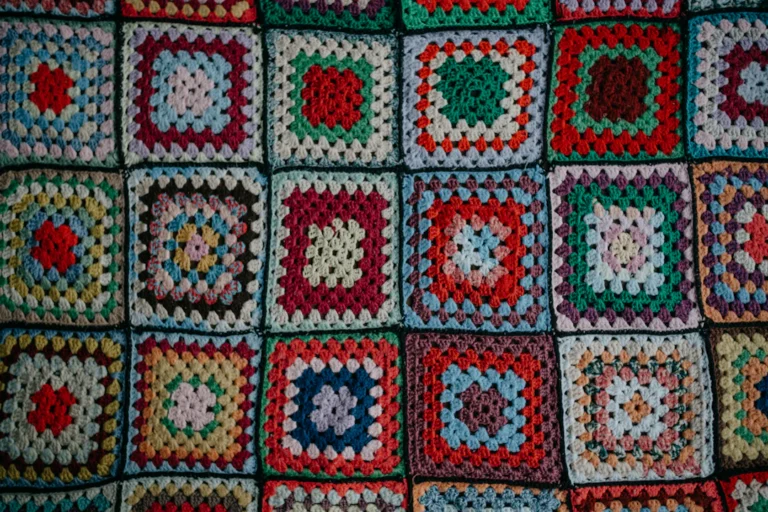
For granny squares and small motifs, measure one finished piece and use it as the standard. Pin every matching motif to the same dimensions. This makes joining cleaner and prevents one square from pulling against another.
After Blocking
Let the project dry fully. If you store it while damp, it may stretch or develop odor. Once dry, weave in any remaining ends and trim carefully. A blocked project should look settled and even, while still keeping the natural texture of the crochet stitches.
Tools That Help
Blocking mats, rust-resistant pins, a measuring tape, and a spray bottle are enough for most projects. A blocking board with pegs can be helpful for many matching squares, but it is not required. The most important tool is patience: remove pins only after the fiber is completely dry.
When Blocking Is Not Enough
If a project is badly misshapen because stitch counts are wrong, blocking can only improve it slightly. Fix skipped stitches, extra increases, or uneven seams first, then block the corrected fabric.