Simple Crochet Stitch Sampler
A stitch sampler is a practical way to compare textures before starting a larger project. This simple version uses four beginner-friendly stitch sections: single crochet, half double crochet, double crochet, and a small seed texture. Work it as a practice square, a dishcloth, or the first block in a sampler blanket.
Materials
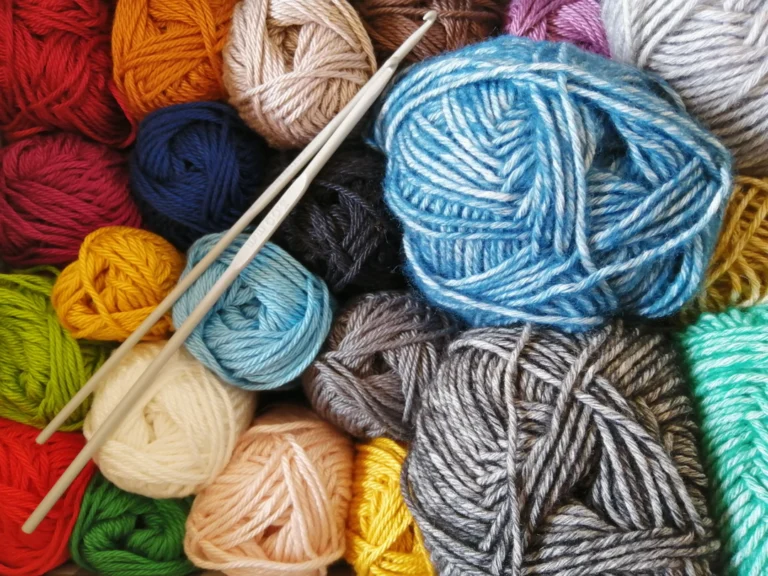
- Worsted weight cotton or wool yarn
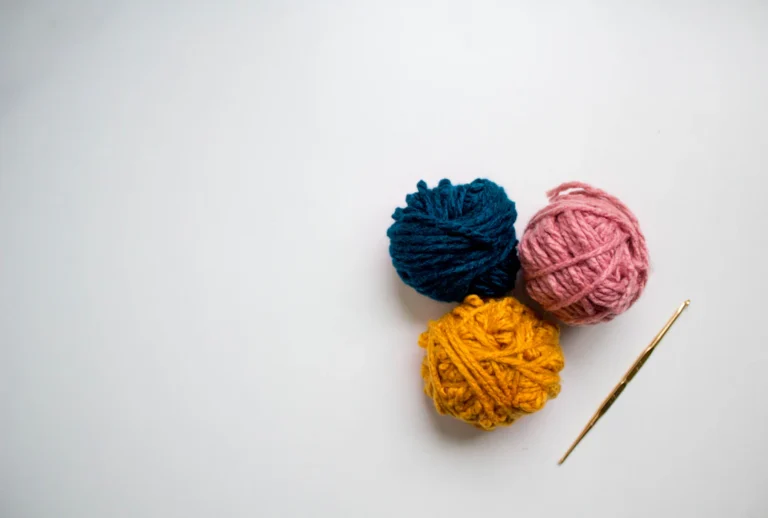
- 5 mm crochet hook
- Yarn needle and scissors
Pattern Notes
The sampler starts with 32 chains and keeps 30 stitches in every row. Count at the end of each section so the sides stay straight.
Instructions
Ch 32.
Rows 1–4: Sc in the second ch from the hook and in each ch across for Row 1. You will have 30 sc. Ch 1 and turn. Work sc in each stitch for Rows 2–4.
Rows 5–8: Ch 2 and turn. Hdc in each stitch across. Repeat for four rows total.
Rows 9–12: Ch 3 and turn. Dc in each stitch across. Repeat for four rows total.
Rows 13–18: Ch 1 and turn. Work sc, dc across the row. Repeat the same row six times. Because the stitch count is even, each row begins with sc and ends with dc, forming an even texture.
Border
Work one round of single crochet around the sampler, placing 3 sc in each corner. Join and fasten off.
How to Use the Sampler
Label the sections in your notes and write down the hook size, yarn, and width after blocking. This makes it easier to choose a stitch for future scarves, blankets, and accessories. A sampler is not only practice; it becomes a small reference library you can keep in your project basket.
Variation
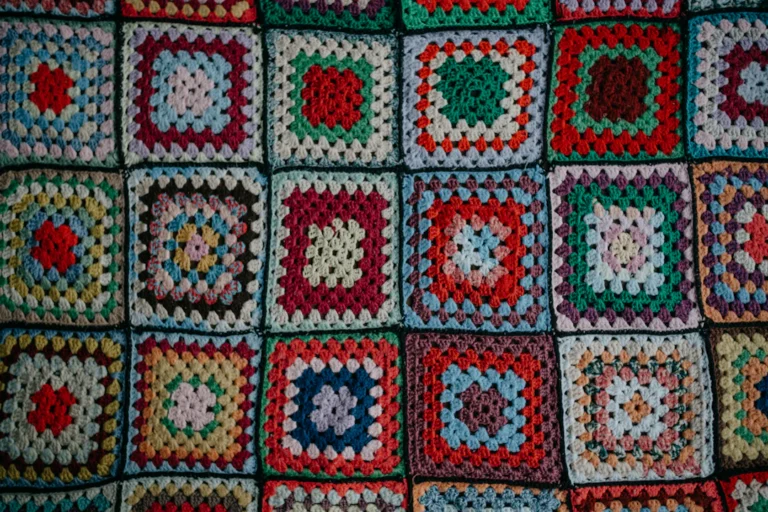
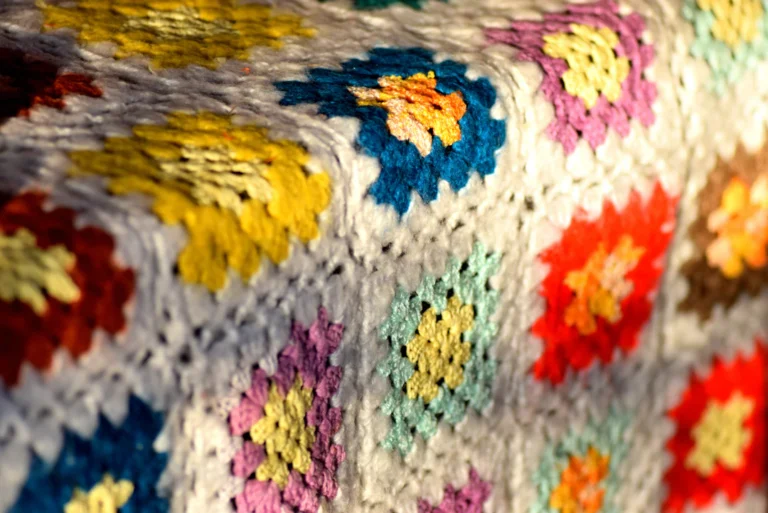
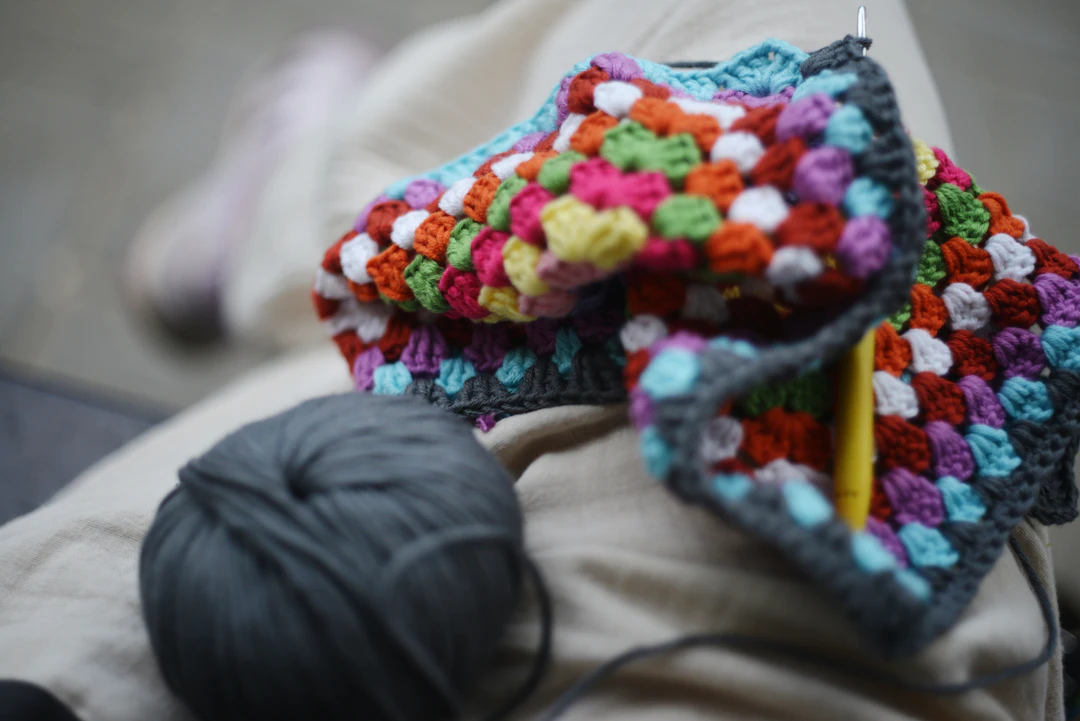
To make a larger sampler blanket, repeat this square several times in different colors. Keep the same starting chain and row count for every block, then block all blocks to one measurement before joining. This creates a consistent project even when the stitch sections have slightly different natural heights.
Record Your Results
After finishing the sampler, measure each section and note which one feels most flexible. These notes help when choosing stitches for larger projects where drape, thickness, and yarn use all matter.