Choosing Yarn for Traditional Crochet Projects
Traditional crochet projects often rely on clear stitch definition, comfortable texture, and colors that work well over time. Choosing yarn thoughtfully makes a big difference before the first stitch is made. The right yarn does not need to be expensive, but it should suit the purpose of the finished piece.
Match Fiber to Use
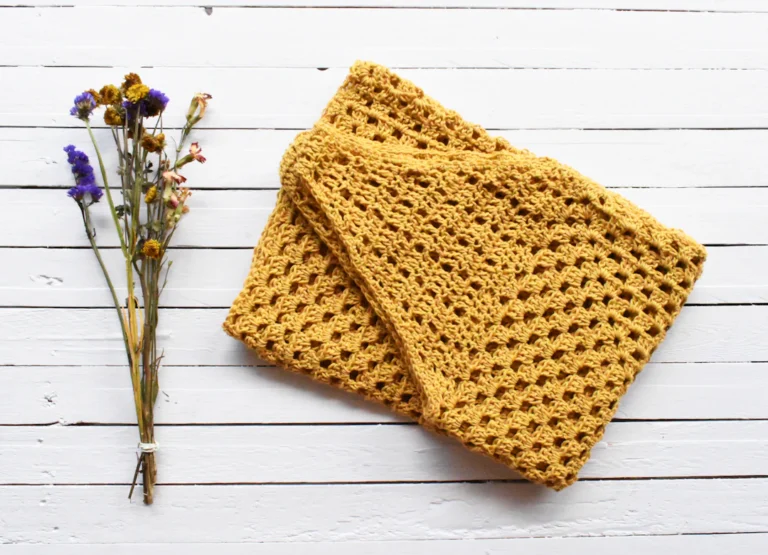
Cotton is a strong choice for dishcloths, coasters, bags, and table pieces because it holds shape and tolerates washing. Wool brings warmth and bounce to scarves and blankets. Acrylic can be practical for everyday blankets because it is widely available and easy to care for, especially when the item will be washed often.
Look for Stitch Definition
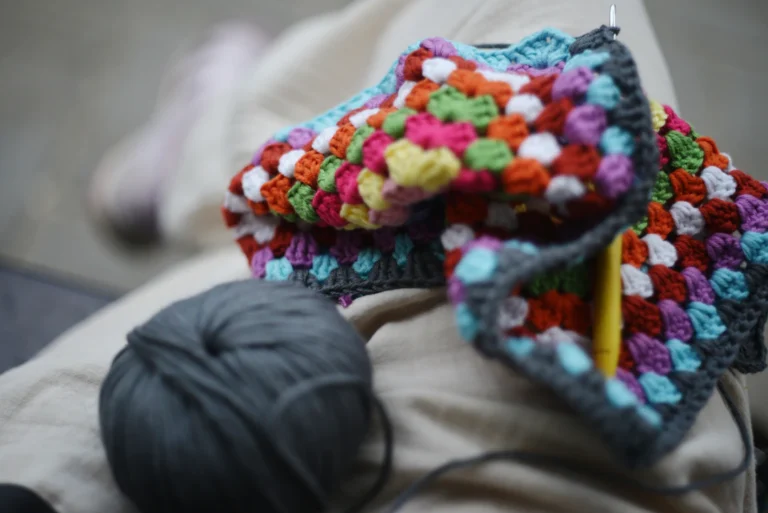
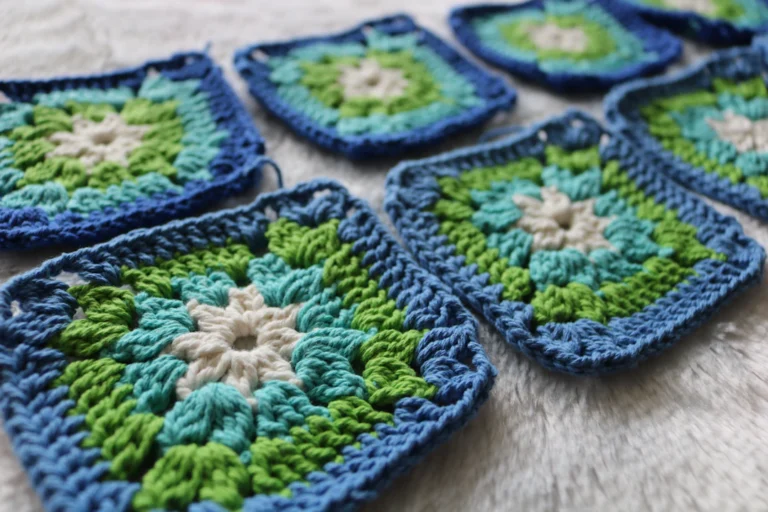
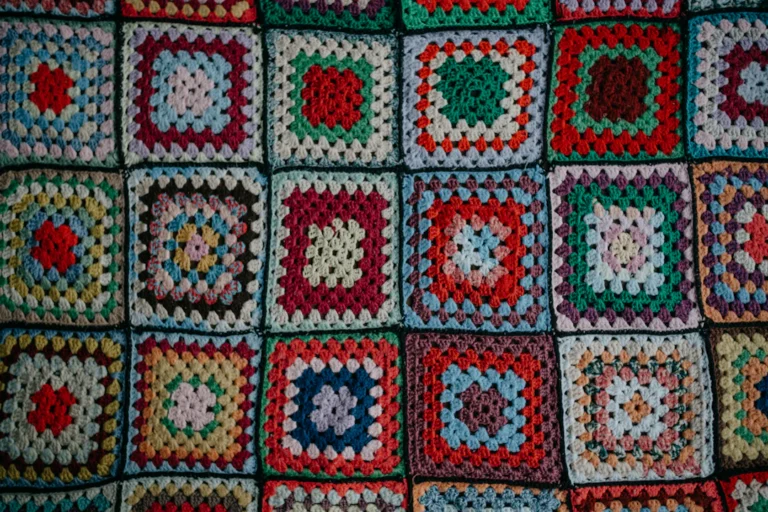
Granny squares, shell borders, cables, and textured stitches look best when the yarn shows the stitches clearly. Smooth plied yarn usually works better than fuzzy yarn for these patterns. A slight halo can be lovely, but too much fuzz can hide careful stitch work.
Choose Weight Carefully
Worsted weight yarn is a useful starting point for blankets, scarves, and home accessories. DK weight gives a lighter fabric for motifs and delicate accessories. Bulky yarn can be fast, but it may make traditional stitch patterns look heavy. Always make a small swatch when changing yarn weight.
Build a Calm Color Palette
For a vintage-inspired crochet journal style, consider parchment, cream, burgundy, forest green, muted brass, navy, and warm brown. Use one main color, one supporting color, and one accent. This keeps projects cohesive without making them dull.
Check Care Instructions
A beautiful yarn is less useful if the care instructions do not match the project. Baby blankets, kitchen cloths, and gifts should be easy to wash. Decorative pieces can use more delicate fibers. Keep the yarn label until the project is finished so you can record fiber content, dye lot, and washing guidance in your notes.
Before Buying More
Make one small swatch and wash it the same way you plan to wash the finished item. Notice whether the fabric grows, shrinks, softens, or loses definition. This small step is especially useful for projects made from many motifs, where a yarn change halfway through can make the final joining difficult.